What is Compassionate Kids?
Compassionate Kids is a FREE, content rich, social-emotional curriculum, split into two distinct levels of learning.
Learners will engage beyond basic emotions, to navigate the social topics of friendship, being a good ally and community member, mental health areas, and neurodiversity.
With unique learners in mind, accommodations have been set in the Instructor Guide for those who are nonspeaking, as well as summaries for each book and video connection, allowing you to choose what’s right for your learner’s understanding
Watch the video below for a more in depth explanation of my curriculum, and see samples of the curriculum at the bottom of this page!
Lesson Overview
Each lesson of Compassionate Kids is split into two levels, Chromatic and Prismatic
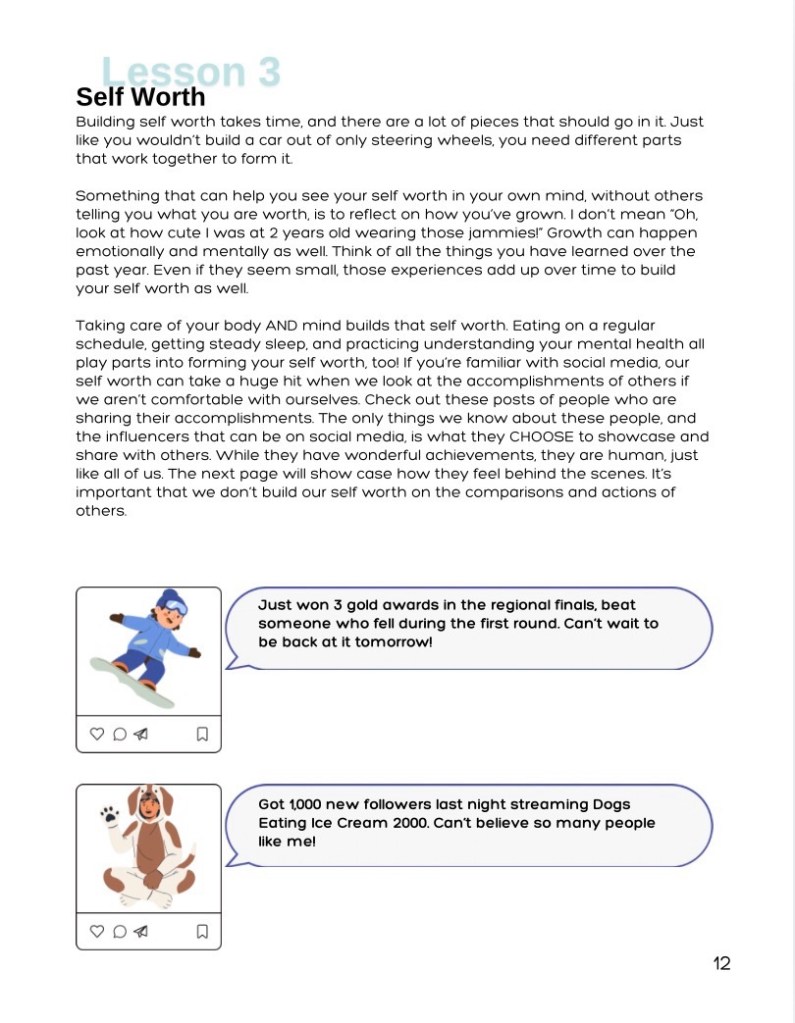
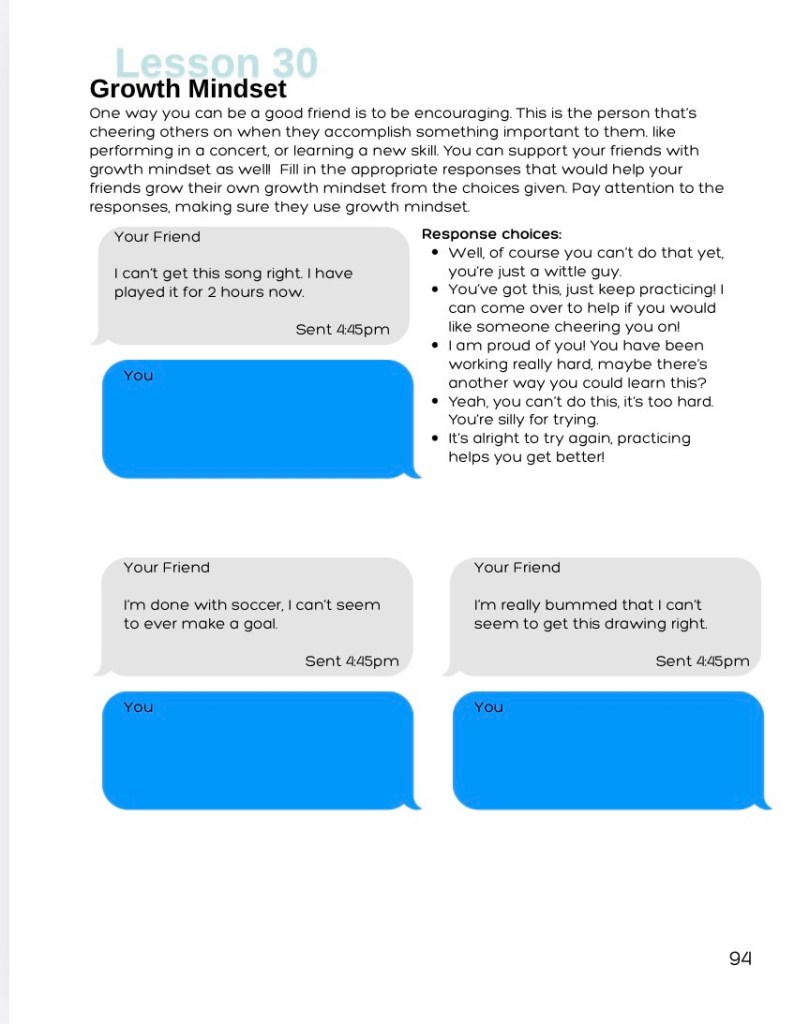
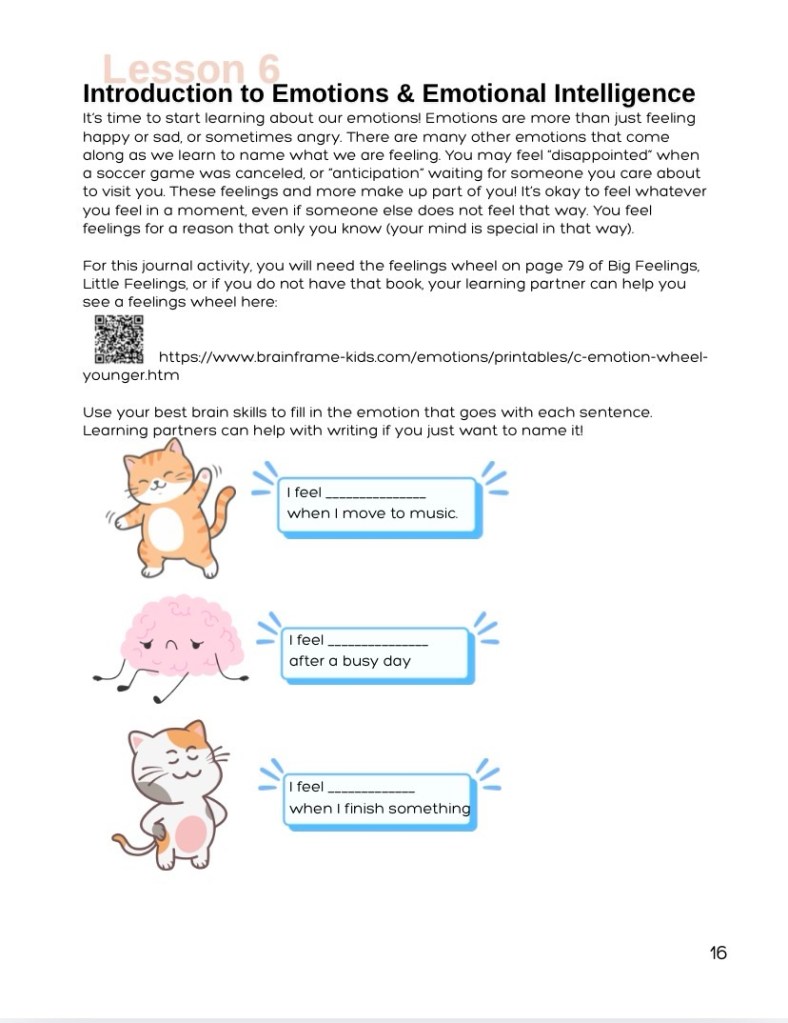
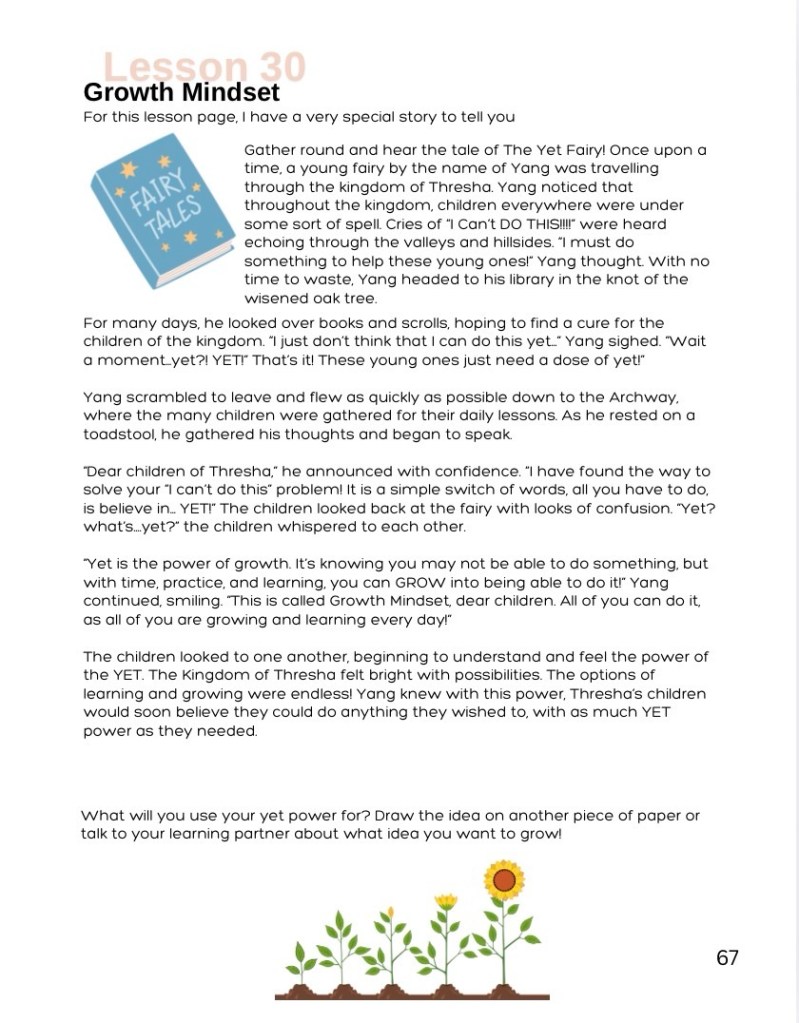
Chromatic level utilizes picture books (feature books that are used for 1 lesson) accompanied with informational texts (spines used throughout the curriculum, the nonfiction “meat” of the lesson). The journal for this curriculum has 2-3 pages per lesson that invites learners to engage with the lesson theme on a personal level, through creative activities. This journal is best read aloud to the learner, for ease of comprehension.
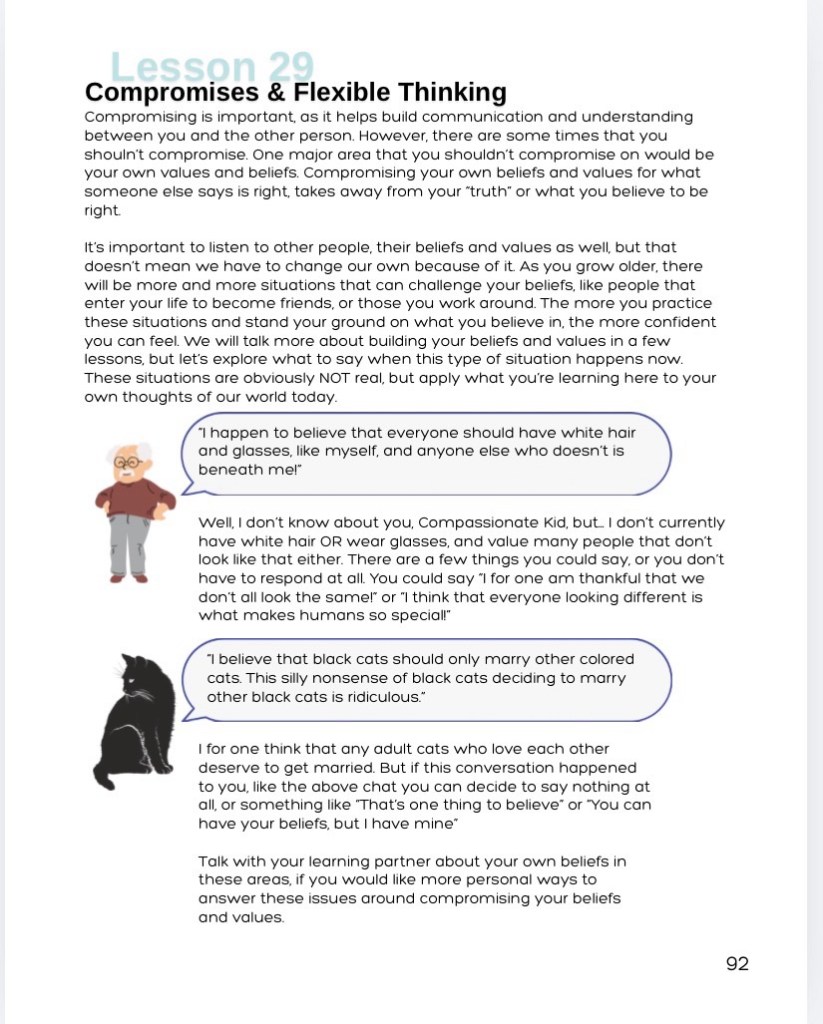
Prismatic level utilizes graphic novels, novel-in-verse, and traditional novels (feature books used 1-2 lessons that apply the lesson through stories), alongside informational text (spines used throughout the curriculum, the nonfiction “meat” of the lesson) engage learners in understanding themself in relation to the world around them, which is also reflected in the journal activities.
Instructors will receive an outline of each lesson, including all books used for the lesson, video links, and journal pages for each level. A Lesson Flow (order of lesson tasks) will be included as well as discussion prompts to help facilitate communication with your learner.
Note on Content Load: While I do have the Chromatic Level stated as K-3, You may find that it is pretty advanced for an average K learner (which is true!) If you find your learner isn’t connected academically yet to what Compassionate Kids includes, try out Compassionate Play. The Chromatic level would also work for 3-4th graders, and pushing the Prismatic level up towards middle school range is fine as well. You can find more information for Accommodating the curriculum on my Accommodations page, or by sending me an email!
Reviews
“Compassionate Kids is EVERYTHING that my 7 year old needed! She loves everything about it, from the topics, the books, down to the art. This is the best resource for social emotional learning there is. You can really tell how much energy and thought that Sami put into making this amazing curriculum.”
-A current learner and their family
Why add Neurodiversity, LGBTQIA+ representation, and allyship?
The Short Answer
Social Emotional Learning (SEL) is more than just “taking turns” and apologizing. It’s learning about yourself and the community around you, using empathy led thinking to support others, and establishing life long social skills. Children are interacting with diverse cultures, perspectives, and media daily, and deserve to see their own unique selves represented in media.
The Long Answer
While these topics don’t seem like they fit with social emotional development, they absolutely do! I have taken a social approach with these areas. The neurodiversity lessons are exploring each topic from both a NT and ND perspective, allowing learners to draw empathy and understanding for their peers and the community of unique thinkers around them.
LGBTQIA+ identities are all around, in every community, found in even the earliest historical/cultural records. As much as conservative media likes to claim otherwise, having LGBTQIA+ characters in children’s books does not equate to using “conversion tactics” to make your kids into people they are not. Children deserve to feel seen in books and to see other children and families with unique make-ups and identities.
Learners are figuring out their beliefs, values, and how they view themselves as a human, especially during those 8+ years. While this is happening, being exposed to diverse cultures, gender identities, and sexual orientations allows for learners to connect to areas of their life they may be trying to find a name for, or to be a better support to the community of people they interact with daily.
The allyship lessons in Compassionate Kids will be covering social justice in a kid-friendly way, looking into topics like food insecurity, disability support, and general “good community member” areas. Learners will work with real, actionable steps within their comfort zone, as well as debunking stigmas and practicing empathy-led thinking. In the Prismatic level, this is expanded upon, and learners will be introduced to safe ways to speak up in their communities. This isn’t explicitly about activism, but can be considered a brief introduction into helping the community with action.
While some caregivers may be thrown off with these topics being introduced at a young age, children are learning their values and the way they see the world through the information they are exposed to. This includes the media they absorb, but also the way they view the people in the community around them. Caregivers are the biggest influence on children’s values, self worth, and opinions of the world.
For some caregivers, these topics may be newer to you, or you don’t have as much knowledge in certain areas, that’s perfectly fine! Each lesson guide has an introduction to the main concept of the lesson, alongside direct prompts for discussion with your learners. There are also extra resources for instructors, at the beginning of the instructor guide, which allows for more background understanding of these topics as well as others throughout Compassionate Kids. Compassionate Caregivers will also cover many of these topics and more as an extended resource option for instructors!
Can Both Levels Be Done At Once?
Compassionate Kids can be completed with multi-level households!
The content introduction and discussion for each lesson is the same. The book selections, although different titles, incorporate the same lesson content that will be talked about during the discussion and the closing activities. Journal activities will vary between the levels, but the Prismatic level journal is designed to be completed without learner active reading/instruction, allowing instructor to be able to focus on Chromatic level guidance.
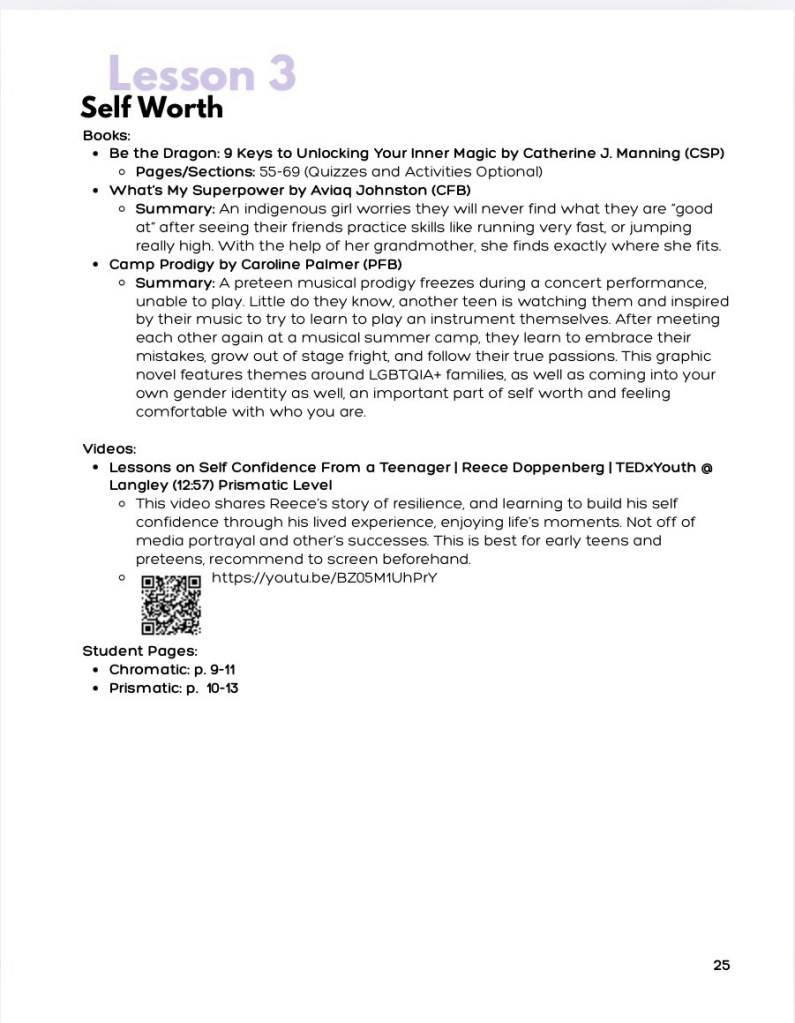
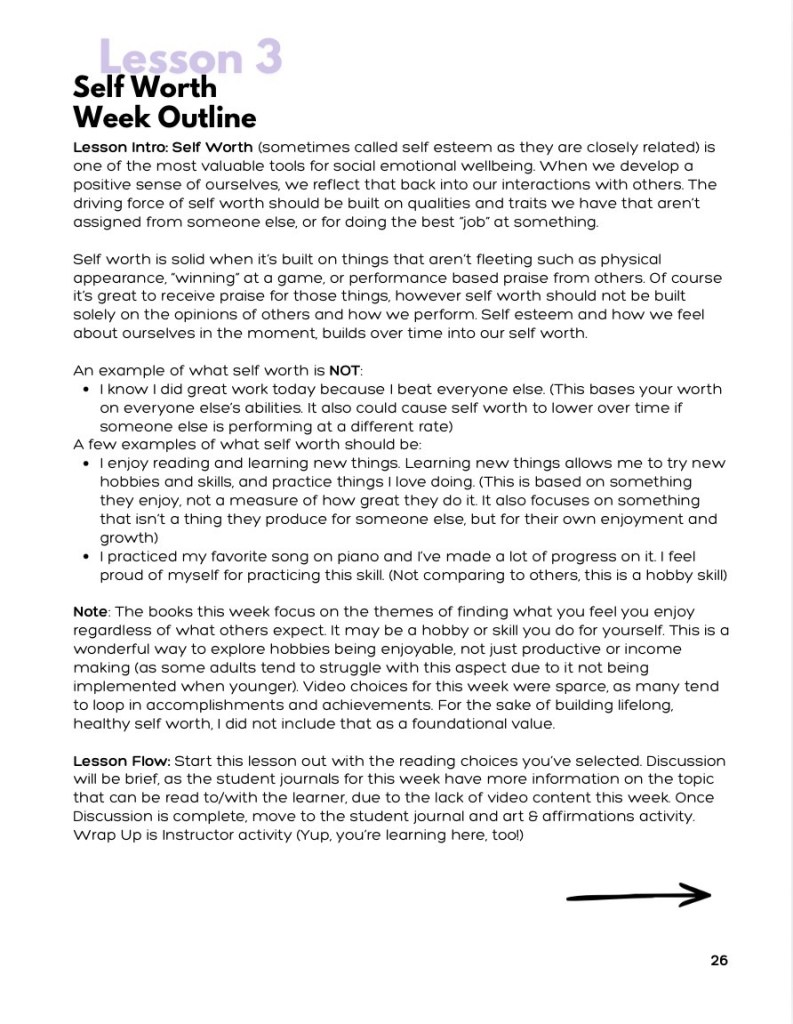
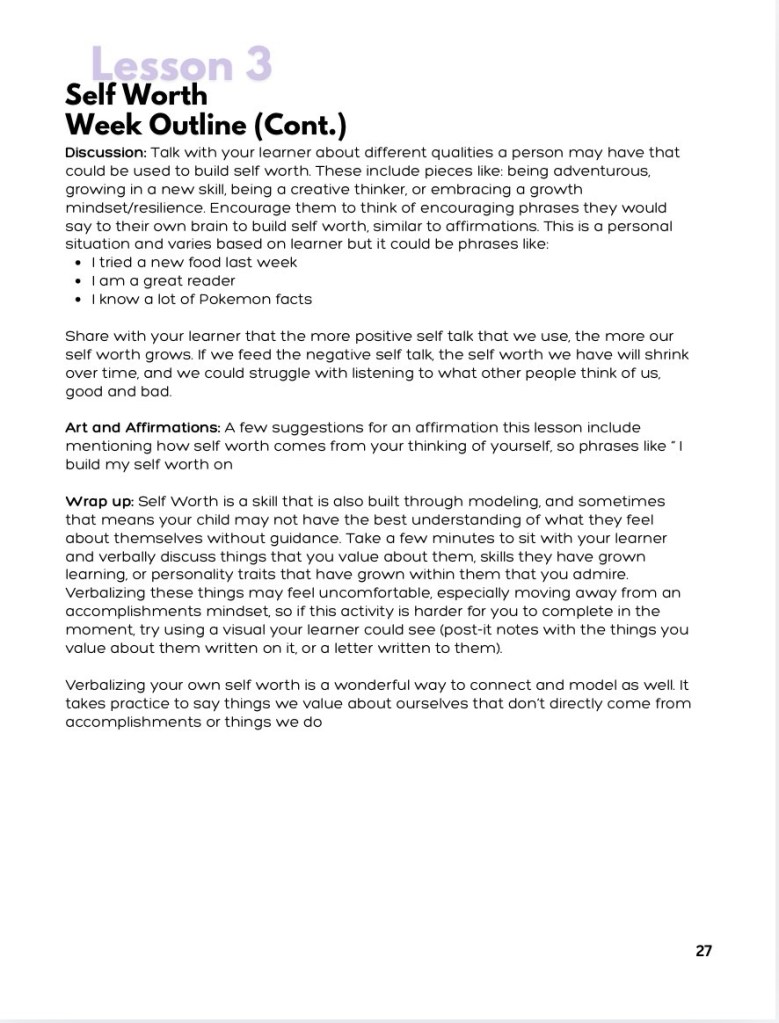
Check out a Sample Week of the Instructor Guide!
Here are some examples of the Chromatic Level journal
Here are some examples of the Prismatic Level journal!